
Deodorant vs Antiperspirant: Which Do You Need in India?
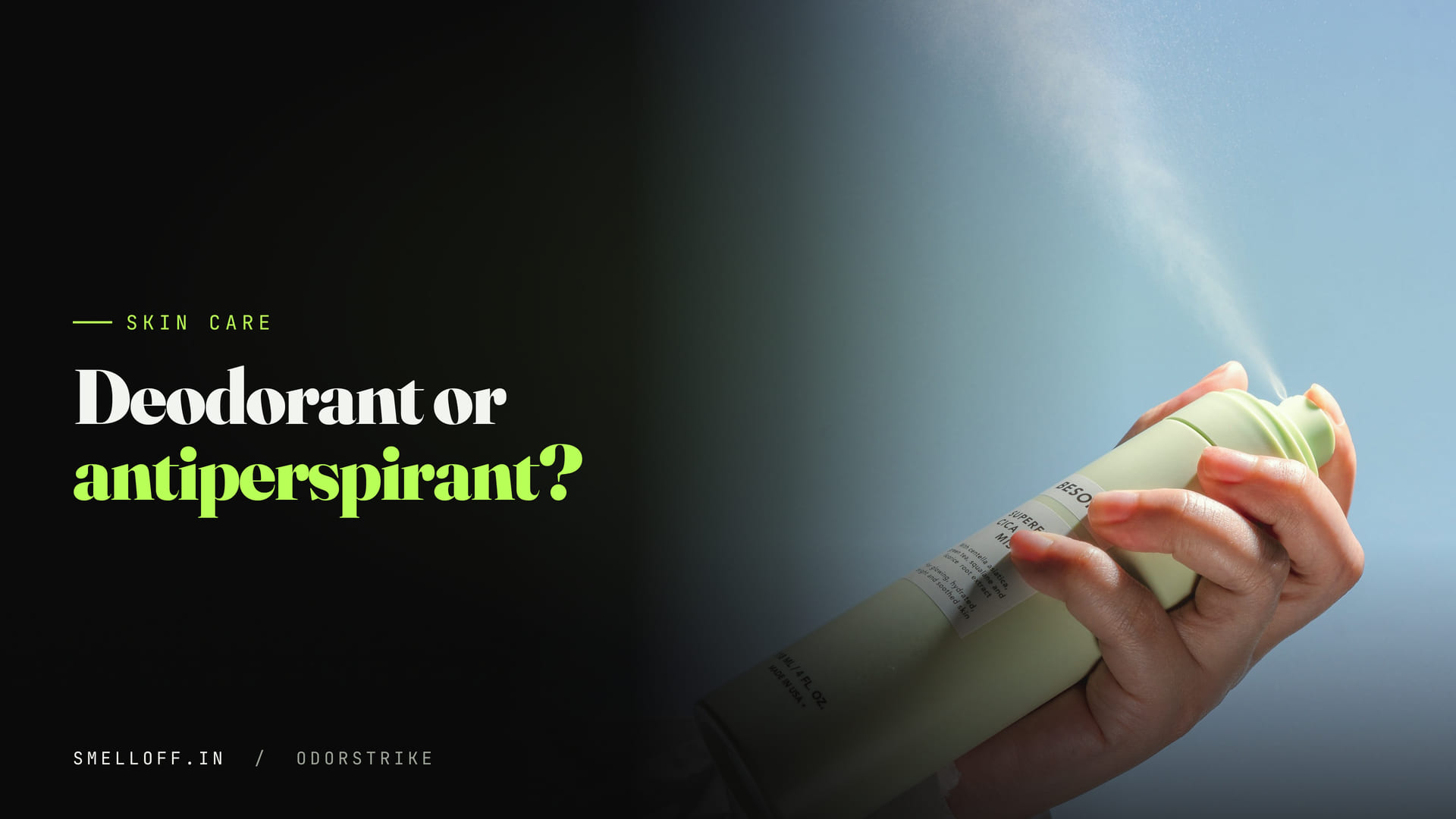
Most "deos" sold in Indian shops are body sprays that smell nice and do nothing about sweat. If you soak through shirts by noon, you may be using the wrong product. Here is the difference, in plain words.
What is the difference between deodorant and antiperspirant?
A deodorant controls odour; an antiperspirant reduces sweat, using aluminium salts that temporarily plug sweat ducts. US FDA testing rules require an antiperspirant to cut sweat by at least 20% (30% to be labelled extra effective). If wet patches are your problem, use an antiperspirant on dry skin at night; if it is only smell, a deodorant is enough. Neither one reaches the sweat already in your shirt.

ODORSTRIKE 50ml · pocket size
Clothing deodorant: neutralizes sweat, smoke and food smell in the fabric. Never on skin.
Use it when deodorant has done its job on your skin, but the shirt smells by afternoon.
Cash on Delivery · Free shipping on prepaid · Ships from Hyderabad within 48 hours
We deliver within India only.
See how ODORSTRIKE worksIn this guide7 sections
Walk into any chemist and the shelf says "deo". Some of those cans are deodorants, a few are antiperspirants, and many are simply body sprays with a strong fragrance. They do different jobs, and in Indian heat the difference shows up under your arms by lunch.
What is the difference between deodorant and antiperspirant?
Deodorant works on smell. Antiperspirant works on wetness.
Deodorant
Smell
- Slows odour-causing bacteria on skin
- Usually adds fragrance
- You still sweat
Antiperspirant
Sweat
- Aluminium salts plug sweat ducts for a while
- Must cut sweat by 20% or more in FDA testing
- Best applied at night on dry skin
Clothing deodorant
Fabric
- Goes on the shirt, never skin
- Works on sweat already in the fabric
- Use alongside either of the others
Skin products work on skin. The shirt needs its own fix.
- Deodorant slows the skin bacteria that turn sweat into smell, and usually adds fragrance. You still sweat.
- Antiperspirant uses aluminium salts that form temporary plugs in sweat ducts, so less sweat reaches the skin. Many products are both.
- Body spray is mostly fragrance. It covers smell for a while and does little else.
Read the label: an antiperspirant says so, and lists an aluminium compound as its active ingredient.
How much does an antiperspirant reduce sweat?
Enough to notice, not to stop it. Under US Food and Drug Administration testing guidelines, a product has to reduce sweating by at least 20% to be called an antiperspirant, and by at least 30% to be labelled "extra effective". That is a meaningful cut on a hot commute, but you will still sweat, which is normal and how your body cools down.
When should you apply antiperspirant?
At night, on completely dry skin.
Dermatologists commonly advise applying antiperspirant at bedtime, because you sweat less at night and the active ingredient has time to work; it keeps working the next day even after a bath. Make sure your underarms are fully dry first, since damp skin makes it less effective and more likely to sting. Deodorant, by contrast, is best put on in the morning after you wash.
Which one do you need in Indian heat?
It depends on whether your problem is wet patches, smell, or both.
- Wet patches on every shirt: antiperspirant at night.
- Dry enough, but smell by afternoon: deodorant in the morning.
- Both: a combined antiperspirant-deodorant, at night and again in the morning if needed.
- Soaking through despite all of this: see a doctor; excessive sweating is treatable.
Do antiperspirants cause cancer?
There is no scientific evidence that they do. The US National Cancer Institute says no scientific evidence links the use of antiperspirants or deodorants to breast cancer, though studies have given conflicting results on some ingredients. If you would rather avoid aluminium, use a deodorant and manage wetness with clothing choices.
Can antiperspirant cause yellow marks on shirts?
It can contribute. Aluminium salts mixing with sweat are a common cause of yellowed underarms on white shirts. Let it dry fully before dressing and use less. Our guide to what deodorant and perfume do to fabric covers marks and stains.
What does neither of them do?
Neither one treats your shirt. Both work on skin. The sweat that has already soaked into the underarms and collar of your shirt keeps turning into smell through the day, and no amount of deodorant on your skin reaches it. That is a clothing deodorant for the fabric side of the problem: ODORSTRIKE goes on the shirt, never the skin, uses HPβCD to trap odour molecules and Zinc PCA to neutralise them, dries in 15–30 seconds and gives up to 8 hours of odour protection on fabric under normal office/commute conditions. It works alongside your deodorant or antiperspirant, not instead of it. More in deodorant vs fabric mist.
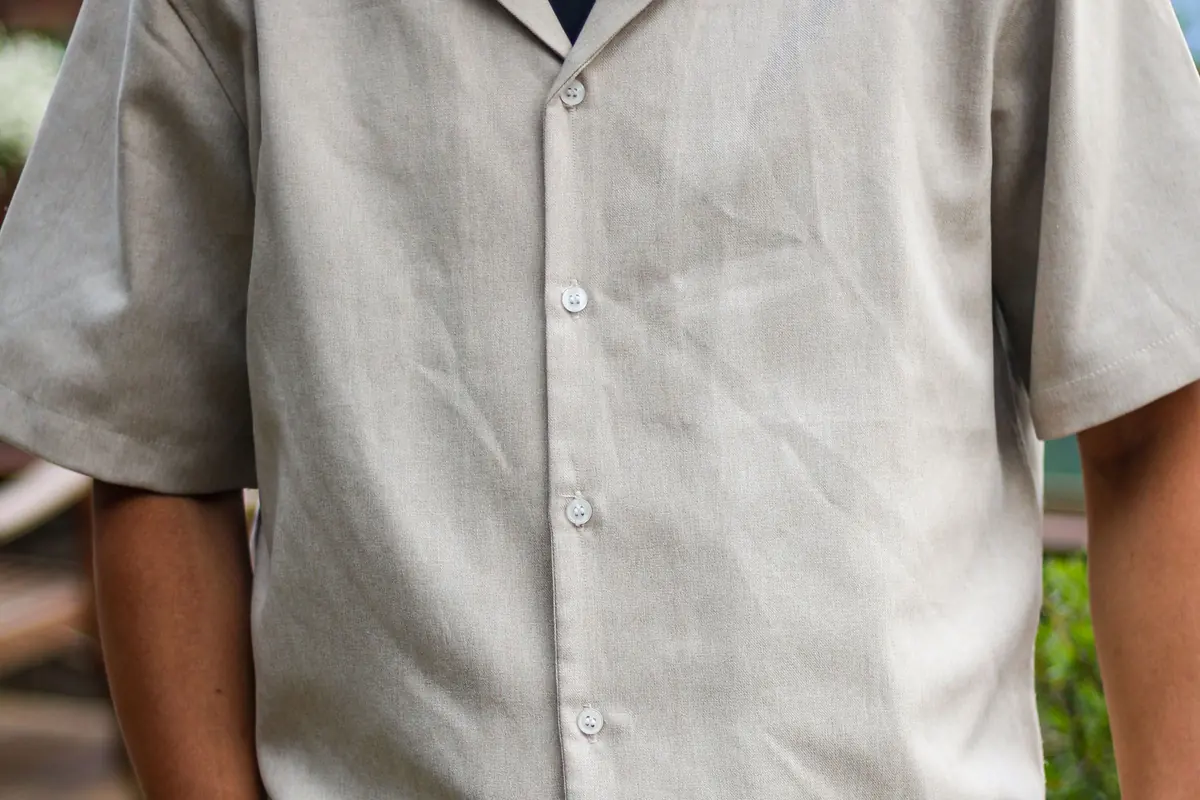
This is general information, not medical advice. Heavy sweating that soaks clothes daily, or a sudden change in body odour, is worth a doctor's visit. A clothing deodorant is for fabric only and does not replace skin care.
Sources
US Food and Drug Administration Guidelines for effectiveness testing of OTC antiperspirant drug products. FDA. accessdata.fda.gov
National Cancer Institute Antiperspirants/deodorants and breast cancer. NCI fact sheet. cancer.gov
HealthDay Health tip: applying an antiperspirant. HealthDay. healthday.com
Frequently Asked Questions
Is antiperspirant better than deodorant?
Only if sweat is your problem. Antiperspirant reduces wetness; deodorant handles smell. Many people need both.
Should I apply antiperspirant at night?
Yes. Apply it to completely dry skin at bedtime; it keeps working through the next day.
Are body sprays the same as deodorant?
Most body sprays are mainly fragrance. Check the label for "deodorant" or "antiperspirant".
Does antiperspirant stop shirts smelling?
It reduces sweat on the skin, which helps, but the sweat already in your shirt still needs washing or a fabric treatment.
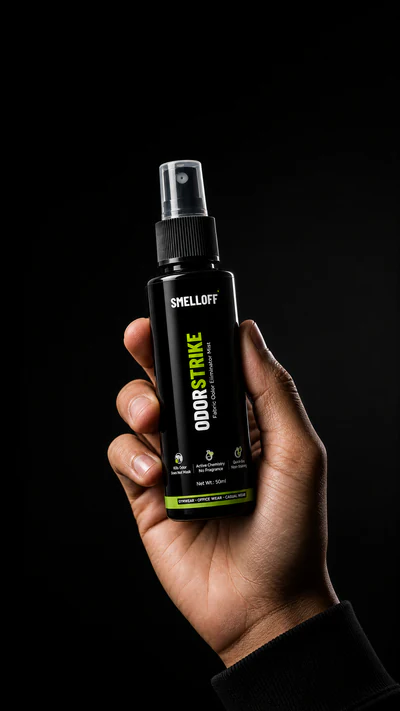
ODORSTRIKE — Fabric Odor Mist
50ml pocket spray for clothes. HPβCD traps odor molecules in the fabric and Zinc PCA neutralises them, instead of covering them with perfume. Dries in 15–30 seconds, up to 8 hours of odor protection on fabric under normal office/commute conditions. Fabric only, never skin.
Buy now View product details